 Call Us



Apartment Complex Injury Claims in California: Who May Be Liable?
TL;DR: If you get hurt in an apartment complex accident in California, you may be able to file a claim against the landlord, property owner, or management company. But just because an injury happens on rental property doesn't mean they're automatically responsible. It often comes down to who was responsible for the area, whether a dangerous condition existed, and whether they knew about it or should have known and taken action. Photos, maintenance requests, tenant complaints, and witness statements can all help show what happened and support your claim.
Table of Contents
 When Can You File an Apartment Complex Injury Claim in California? What Conditions Can Lead to an Apartment Injury Claim? Who May Be Liable for an Apartment Complex Injury? How Do You Prove the Landlord Knew About the Hazard? What Evidence and Compensation Matter in a Tenant Injury Claim? What If You Were Partly at Fault? Frequently Asked Questions |
When Can You File an Apartment Complex Injury Claim in California?
Apartment complex injuries are generally evaluated under California negligence and premises liability law. Under California Civil Code § 1714, people must use ordinary care in managing their property to avoid causing harm to others.
An injury on rental property doesn't automatically make the landlord liable. An apartment complex injury claim generally depends on whether the responsible party failed to use reasonable care, a dangerous condition contributed to the accident, and that failure caused the injury.
Responsibility may depend on who owned or controlled the area and whether the person responsible knew or reasonably should have known about the hazard. Repair requests, tenant complaints, inspection records, and photographs can help establish what happened.
What Conditions Can Lead to an Apartment Injury Claim?
Common causes of apartment complex injuries include:
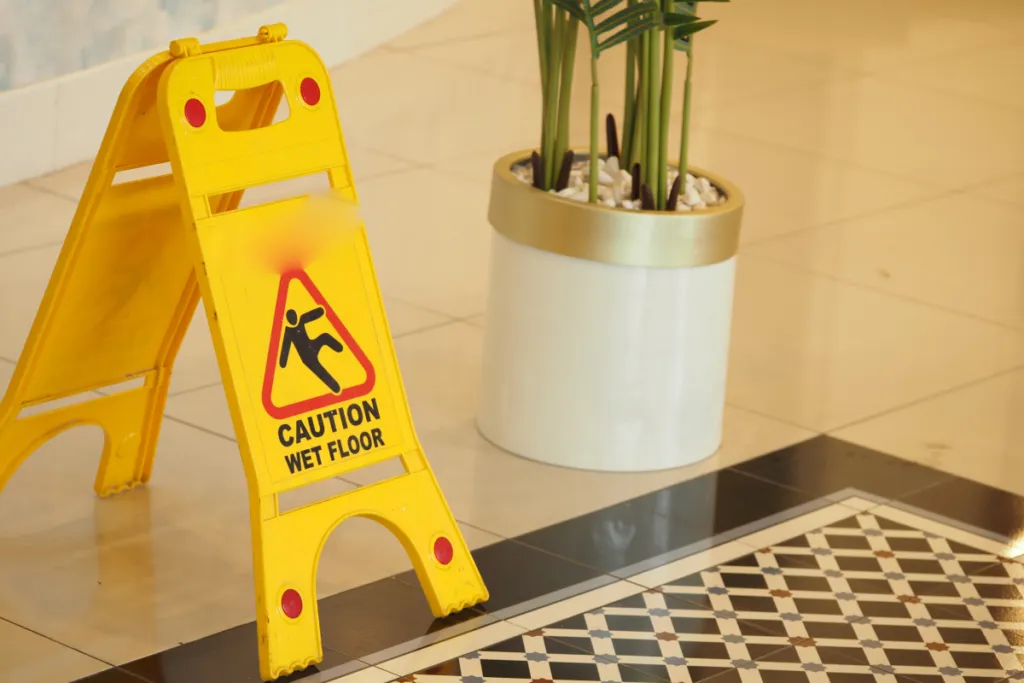
Broken stairs, handrails, and walkways Wet floors and water leaks Poor lighting and hazards Unsafe balconies and structural conditions
Not every maintenance problem means someone was negligent. What matters is whether the unsafe apartment condition posed a real risk and whether the person responsible failed to take reasonable steps to fix it.
Who May Be Liable for an Apartment Complex Injury?
Depending on the circumstances, here are different parties that may be liable:
Landlord or property owner
A landlord may be liable for unsafe apartment conditions in areas they control, such as stairwells, walkways, parking lots, and shared amenities. They may also have responsibility for hazards inside a rental unit when they have a duty and ability to address them.
Property management company
A management company may be liable if it was responsible for inspections, repairs, or maintenance and negligently handled those duties.
Maintenance or security contractors
Contractors may share responsibility if negligent repair work, maintenance, or security services contributed to the injury.
What about liability between common areas versus inside an apartment? Landlords generally have responsibilities for common areas they control. Inside a rental unit, the tenant usually has more day-to-day control, which can affect who is responsible.
However, a landlord's responsibility doesn't necessarily end at the apartment door. If the landlord knew about an unsafe apartment condition inside the unit and had a duty and ability to fix it, liability may still be possible.
How Do You Prove the Landlord Knew About the Hazard?
A key issue in a California landlord negligence claim is whether the responsible party knew or reasonably should have known about the dangerous condition and had an opportunity to address it.
Actual notice means the landlord or manager already knew about the problem. For example, a tenant may have reported a leaking pipe or broken stair railing before someone got hurt.
Constructive notice means they may not have known about the hazard, but they reasonably should have. If a problem had been there for a while, for instance, regular inspections might have caught it before anyone was injured. You don't necessarily have to prove the landlord personally saw the hazard. Things like how long the problem existed and who was responsible for maintaining the area can help show whether they should have known.
What Evidence and Compensation Matter in a Tenant Injury Claim?
Collecting evidence for a personal injury claim is crucial, especially if you’ve sustained injuries. Helpful evidence may include:
Photos or videos of the hazard. Medical records and documentation of your injuries. Maintenance requests, emails, and previous tenant complaints. Inspection and repair records, incident reports, and surveillance footage. Witness statements and contact information.
Next, report the incident to management in writing and keep all relevant documents. And remember, surveillance footage usually isn’t kept indefinitely, so acting quickly is key.
What If You Were Partly at Fault?
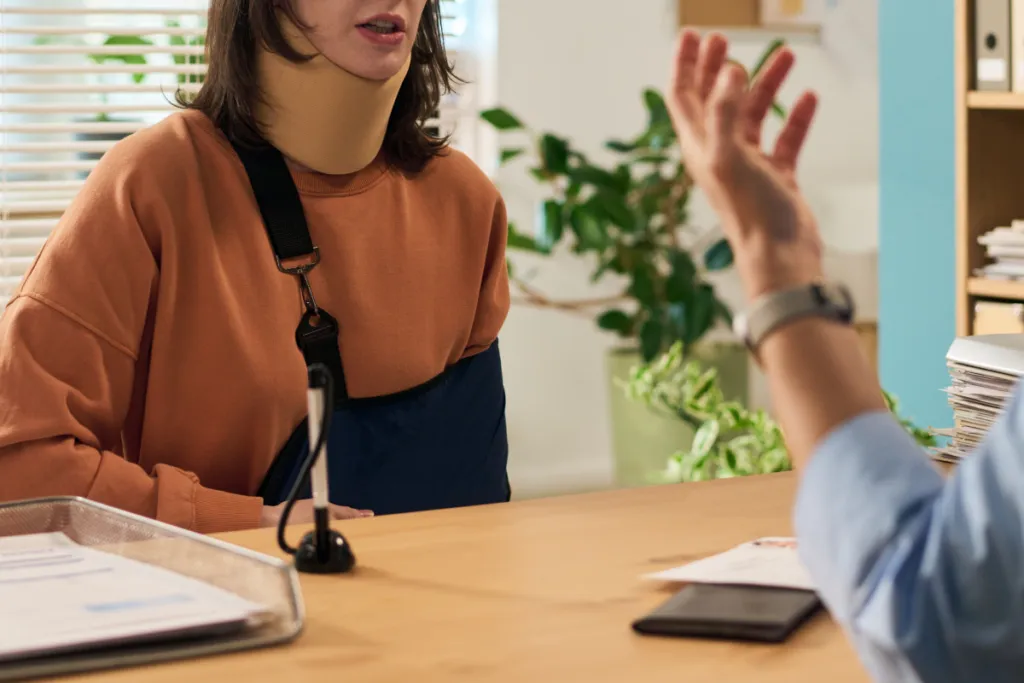
You may still have a claim even if your own actions contributed to the accident. Fortunately, California follows a comparative fault system, meaning your compensation can be reduced by your share of responsibility. However, every case is different and could benefit from professional guidance.
If you have additional questions or need legal help, consult with a Los Angeles personal injury attorney or a slip and fall accident lawyer in North Hollywood. Yepremyan Law Firm has been a trusted legal advisor in Southern California since 1998. Over the years, we’ve helped thousands of clients recover millions of dollars.
With 24/7 support, our injury law firm in North Hollywood offers free consultations to injured victims in need of immediate assistance. We work on a contingency basis for all personal injury matters. This means you pay nothing unless your case has been settled or won—no recovery, no fee.
Frequently Asked Questions
Can I sue my apartment complex if I was injured?
Possibly. You generally need evidence that a responsible party failed to use reasonable care and that the failure contributed to your injury. An accident on rental property isn't enough on its own.
What must I prove in an apartment premises liability claim?
You generally need to show that a dangerous condition existed, the responsible party was negligent, and that negligence caused your injury. Evidence that the landlord or manager knew or should have known about the hazard may be important.
How long do I have to file an apartment injury lawsuit in California?
The general deadline is two years from the date of injury, although exceptions apply. Claims involving government entities may have much shorter deadlines.
Can an apartment complex be liable for poor security?
Potentially. A landlord or management company may be liable if it failed to take reasonable security precautions when criminal activity or another risk was reasonably foreseeable. Liability depends on the circumstances, including known risks and the security measures that were reasonable for the property.
*No Legal Advice Intended. This website includes general information about legal issues and developments in the law. These materials have been prepared for general informational purposes only and are not intended to be legal advice. Please consult an attorney for legal advice pertaining to any particular legal matter. Use of and access to this website or any of the links or resources contained within the site do not create an attorney-client relationship between the reader, user, or browser and Yepremyan Law Firm and any of its attorneys, employees, or associates.
