 Call Us


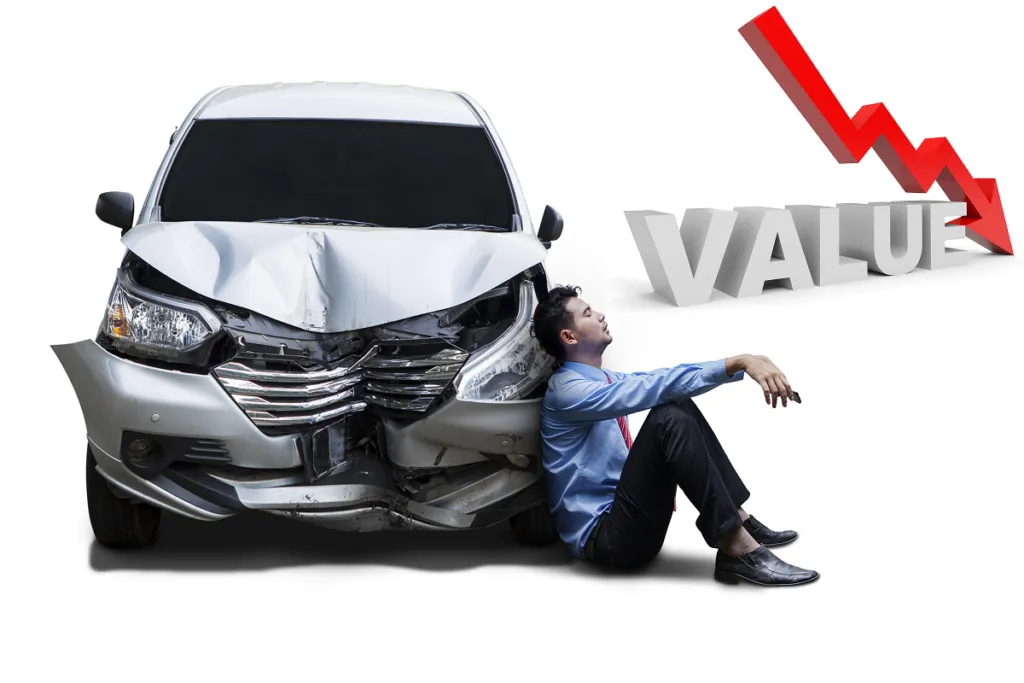
Diminished Value After a Car Accident: What California Drivers Need to Know
TL;DR: Getting your car repaired after an accident doesn't always mean it's worth exactly what it was before the crash. Even if the repairs are done properly, a vehicle with an accident history may be worth less when you eventually try to sell or trade it in. That difference is known as diminished value. Depending on the circumstances, a driver may be able to pursue a diminished value claim for that loss.
Table of Contents
 What Is Diminished Value? Why Can a Car Be Worth Less After an Accident? How to Calculate Diminished Value How to File a Diminished Value Claim Frequently Asked Questions |
What Is Diminished Value?
Imagine you get into an accident that wasn't your fault. Your car is repaired, the bumper is replaced, the bodywork is finished—everything looks good. But there's one problem: your car now has an accident in its history. If you tried to sell that same vehicle tomorrow, a potential buyer might look at its history and want to pay less. That's where diminished value after a car accident comes in.
Let's say your car was worth $30,000 before an accident. The repairs are completed, and the vehicle is back in good working condition. But because the accident now appears in the vehicle's history, similar buyers may only be willing to pay $26,000. That $4,000 difference may represent what is known as car diminished value.
In other words, diminished value refers to the difference between what your vehicle was worth before the accident and what it's worth afterward, even after repairs have been completed. And it's one of those hidden costs of a car accident that many people don't think about until they're ready to sell or trade in their vehicle.
Why Can a Car Be Worth Less After an Accident?
You might be wondering why your car might be worth less even if it looks and drives the same as before, right? The answer usually comes down to the vehicle's history. When a car has been involved in an accident, that information may appear on vehicle history reports. A potential buyer may be concerned about previous damage, repairs, structural issues, or problems that aren't immediately visible, which can affect what someone is willing to pay.
This is especially relevant with newer, higher-value vehicles. A buyer may be much more hesitant to pay full market price for a vehicle with a significant accident history than for an identical vehicle with a clean history.
Various factors can affect the amount of diminished value, including:
The vehicle's age and mileage Its pre-accident market value Any structural damage The vehicle's accident history The make and model Local market conditions
Not every accident will result in a significant loss of value. A minor cosmetic accident may have a very different effect than a serious collision involving structural repairs.

How to Calculate Diminished Value
One of the biggest questions people have is how to calculate diminished value. Unfortunately, there isn't one universal number that applies to every vehicle. A diminished value calculation may consider the vehicle's pre-accident value, the extent of the damage, the repairs performed, and how the accident affects the vehicle's marketability.
For example, imagine two identical three-year-old vehicles, both with similar mileage. One has never been involved in an accident, but the other has a significant accident listed on its history report. Even if both vehicles have been properly repaired and look nearly identical, the vehicle with the accident history may be worth less to a potential buyer. That difference is what a diminished car value claim is intended to address.
A professional diminished value appraisal can also be useful. An appraiser can evaluate the vehicle and provide an estimate of how the accident affected its market value. California insurance law and the specific facts of the accident can affect whether a diminished value auto claim is available and how it should be pursued.
How to File a Diminished Value Claim
If you believe your vehicle has lost value because of an accident, you may be wondering how to file a diminished value claim. Generally, you'll need documentation showing what your vehicle was worth before the accident and what it's worth afterward. Useful documentation may include:
Pre-accident valuation information Repair estimates and invoices Photographs of the damage The vehicle's history report Records showing the vehicle's mileage and condition A professional diminished value appraisal Comparable vehicle listings
If you're pursuing a California diminished value claim, it’s best to contact a Los Angeles car accident attorney who can walk you through your options and help you navigate the legal landscape. A diminished value car insurance claim isn't necessarily handled the same way as a claim for vehicle repairs. Whether you can recover diminished value from your own insurer may depend on your policy and the circumstances.
If you're dealing with a larger car accident diminished value issue along with personal injuries, we’re here to help. Since 1998, our injury law firm in North Hollywood has helped thousands of people recover millions of dollars. With 24/7 support, Yepremyan Law offers free consultations for injured victims in need of immediate assistance. Contact our office today to schedule your appointment with our personal injury lawyer in North Hollywood, or request to speak with a personal injury attorney in Burbank.
Frequently Asked Questions
Does an Accident Automatically Reduce a Car's Value?
Not necessarily. It depends on the car's age, condition, accident history, and extent of the damage. A professional appraisal can help determine whether the accident caused a loss in value.
Will the At-Fault Driver's Insurance Automatically Pay Diminished Value?
Not always. The insurance company may cover the cost of repairing your car, but that doesn't necessarily mean it will also pay for the value your car lost because of the accident. You may need to make a separate claim for diminished value and provide documentation to support it.
Can I Claim Diminished Value Before Repairs Are Completed?
Possibly. You don't necessarily have to wait until repairs are finished to get started. Keep track of the damage, repairs, and any other documentation that shows how the accident affected your car's value.
Can I Recover Diminished Value if I Was Partly at Fault?
Yes, you might be able to. California's comparative fault rules may allow you to recover compensation, but your recovery could be reduced based on your percentage of fault.
*No Legal Advice Intended. This website includes general information about legal issues and developments in the law. These materials have been prepared for general informational purposes only and are not intended to be legal advice. Please consult an attorney for legal advice pertaining to any particular legal matter. Use of and access to this website or any of the links or resources contained within the site do not create an attorney-client relationship between the reader, user, or browser and Yepremyan Law Firm and any of its attorneys, employees, or associates.
