 Call Us


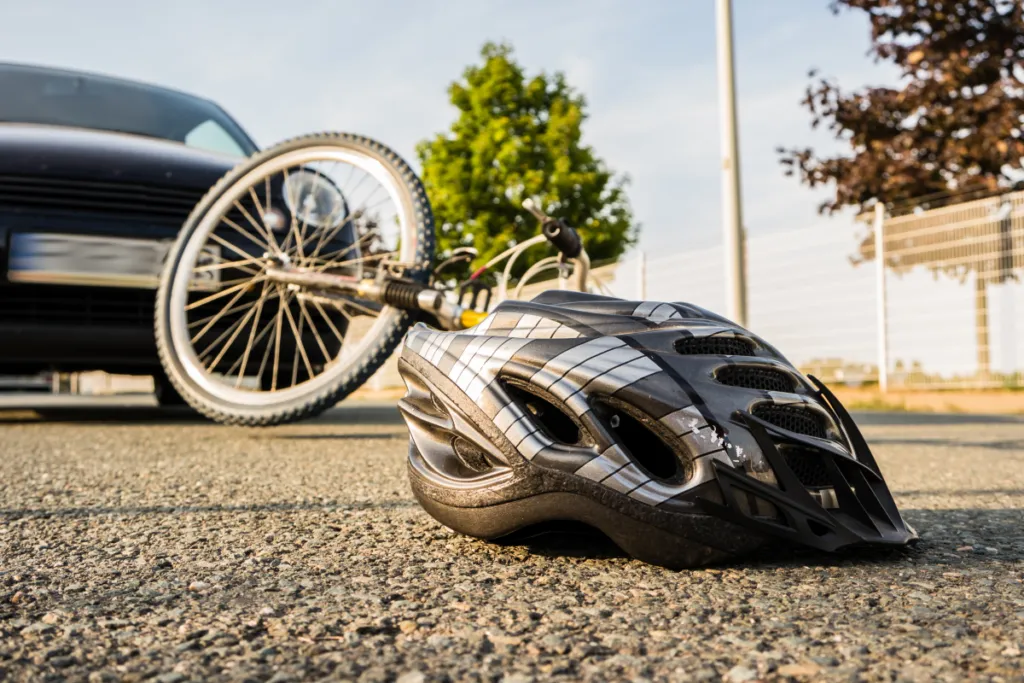
E-Bike Accidents in California: Who Pays for Your Injuries?
TL;DR: Who is liable in an e-bike accident in California depends on what caused the crash. A negligent driver, an e-bike rider, an employer, a manufacturer, a rental company, or a government agency may be responsible. More than one party can share fault, and California's comparative negligence rules may allow injured riders to recover compensation even if they were partly responsible. Recent e-bike safety laws also make classification, modifications, and battery standards important factors in some claims.
Table of Contents
 How Is E-Bike Accident Liability Determined? Who Can Be Held Liable? How Do California E-Bike Laws Affect Liability? What Evidence Helps Prove Liability? What Compensation Can You Recover? How Long Do You Have to File an E-bike Accident Claim? Frequently Asked Questions |
How Is E-Bike Accident Liability Determined?
After an e-bike collision in California, the main question is who acted carelessly and whether that conduct caused the injuries. A police report can help explain what happened, but it doesn't automatically determine who is legally responsible.
For example, a driver who turns left across an e-bike rider's path, turns right without checking the bike lane, opens a car door into an approaching rider, or passes too closely may be liable. But riders also have a responsibility to follow applicable traffic rules and ride with reasonable care.
The same principles apply when an e-bike collides with a pedestrian or another cyclist. E-bike accident liability depends on the facts, not simply on who was riding which vehicle.
Who Can Be Held Liable?
Depending on the circumstances, an e-bike accident claim may involve more than one responsible party.
A Negligent Driver or E-Bike Rider
A driver may be liable for distracted driving, unsafe turns, failing to yield, or passing too closely. An e-bike rider may also be at fault for riding recklessly, ignoring a traffic signal, or traveling at an unsafe speed for the conditions.
If another cyclist or e-bike rider causes the collision, that person may be responsible for the resulting injuries, too.
An Employer or Business
If a delivery driver or another employee causes an e-bike crash while performing job duties, the employer may share responsibility under California bicycle laws. Whether the employer is liable depends on the worker's role and what they were doing at the time.
An E-Bike Manufacturer, Seller, or Rental Company
Fault doesn't always rest with the person riding or driving. A defective brake, throttle, battery, or other component may contribute to a crash. Depending on the circumstances, a manufacturer, distributor, or seller could face a product liability claim.
Rental companies may also be responsible if poor maintenance, inadequate inspections, or a failure to address a known defect contributed to the accident. Further, California follows a comparative negligence system. This means an injured person may still recover compensation even if they contributed to the accident.
A Government Agency Responsible for a Dangerous Road
Sometimes, a crash happens because of the road itself. Potholes, damaged pavement, poorly designed roads, or neglected bike lanes can all put e-bike riders at risk. If a government agency was responsible for the dangerous condition, it may be held liable in certain situations. These claims have specific rules and shorter deadlines, so it's important to act quickly.
How Do California E-Bike Laws Affect Liability?
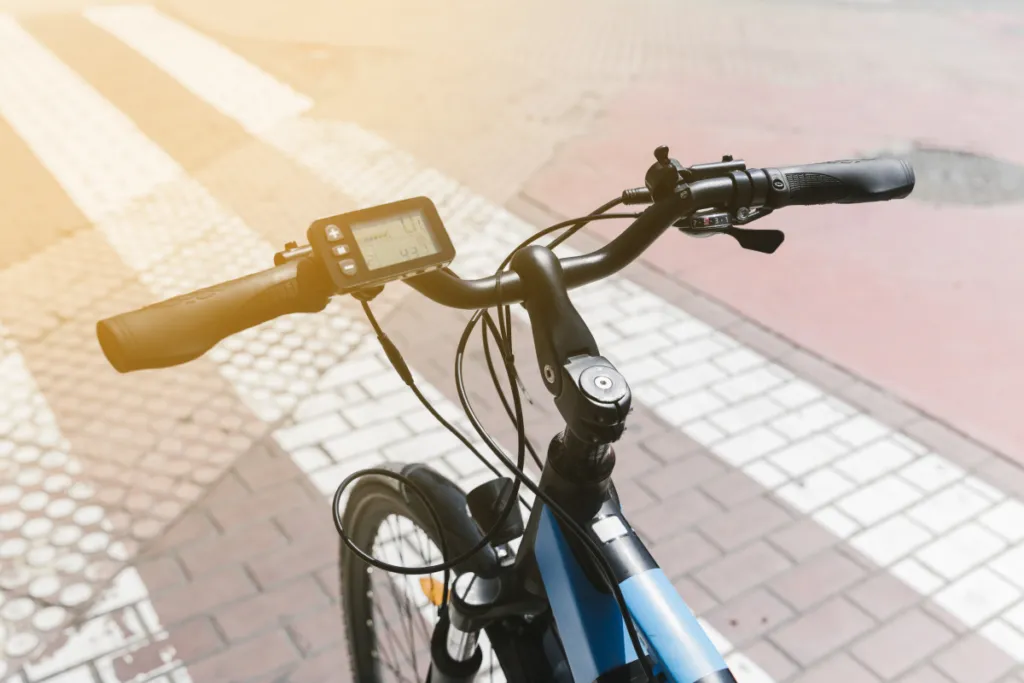
California e-bike rules matter because a vehicle's classification and condition can affect which laws apply and how an accident is investigated.
E-Bike Classes and Modifications
Under California Vehicle Code § 312.5, e-bikes generally fall into three classes:
Class 1: Pedal assistance stops at 20 mph. Class 2: A throttle can propel the bike, but motor assistance stops at 20 mph. Class 3: Pedal assistance stops at 28 mph; the bike must have a speedometer.
Class 3 riders must be at least 16 years old, and helmet rules apply. Local restrictions may also apply. Additionally, modifications can complicate a claim. A bike altered to exceed California's e-bike limits may no longer qualify as a legal e-bike. That doesn't automatically decide who caused a crash, but it can affect which operating requirements apply and whether the modification contributed to the collision.
Newer Safety Laws to Know
California has also tightened rules around e-bike safety. SB 1271 requires covered e-bikes and related electrical components sold or leased starting in 2026 to meet specified testing and labeling standards. Its rental testing requirements are scheduled to take effect in 2028. See the California Highway Patrol's summary of new laws.
In addition, AB 1774, effective in 2025, prohibits certain modifications that cause a vehicle to exceed the legal e-bike definition. Local pilot rules can also affect riders: Marin County and San Diego County have authority to adopt certain youth e-bike restrictions.
These laws may be relevant when investigating a crash involving an unsafe battery, a modified bike, or a vehicle being operated outside its permitted classification.
What Evidence Helps Prove Liability?
If you've been hurt in an e-bike accident, gathering evidence early can help show what happened and who may be responsible. This may include:
Photos or videos of the crash scene, damage, and injuries Names and contact information for witnesses Police reports Security or surveillance footage from nearby businesses or homes Medical records and bills Details about the e-bike, including its make, model, class, maintenance history, and any modifications
If you think a faulty part caused the crash, keep the e-bike and any damaged components if possible.

What Compensation Can You Recover?
Depending on the claim, e-bike accident compensation may cover medical bills, future treatment, lost income, reduced earning capacity, pain and suffering, and property damage. The available amount depends on the injuries, evidence, applicable insurance, and each party's share of fault.
How Long Do You Have to File an E-Bike Accident Claim?
In many California personal injury cases, the deadline to file a lawsuit is two years from the date of injury. Claims involving a government agency usually require an administrative claim within six months, though exceptions may apply.
Figuring out who is responsible can be complicated, especially when several parties, insurance policies, or possible equipment defects are involved. Yepremyan Law Firm can help investigate the circumstances, identify potential sources of liability, and explain your options for pursuing compensation after an e-bike crash in California.
Since 1998, our law firm has helped thousands of clients across Southern California. Whether you need a personal injury attorney in North Hollywood or a bicycle accident lawyer in Los Angeles, we’re here to help. With 24/7 support, we offer free consultations to injured victims in need of immediate assistance. Call us today to schedule your case evaluation and explore your legal options.
Frequently Asked Questions
Can I recover compensation if I was partly at fault for an e-bike accident?
Yes. California's comparative negligence rules may allow you to recover damages, reduced by your percentage of fault.
Can an e-bike manufacturer be liable if the brakes, throttle, or battery malfunctioned?
Potentially. If a defect contributed to the crash or injuries, you may be able to bring a product liability claim. The cause of the malfunction and the evidence available will matter.
Can a rental e-bike company be responsible for an accident?
Yes, in some circumstances. A rental company may be liable if negligent maintenance or a known safety issue contributed to the collision.
Does not wearing a helmet prevent me from making an e-bike accident claim?
Not wearing one doesn't automatically prevent you from filing a claim, but it could affect certain aspects of your case, especially if you're claiming head injuries. Helmet requirements are based on age, the type of e-bike you're riding, and any local rules.
*No Legal Advice Intended. This website includes general information about legal issues and developments in the law. These materials have been prepared for general informational purposes only and are not intended to be legal advice. Please consult an attorney for legal advice pertaining to any particular legal matter. Use of and access to this website or any of the links or resources contained within the site do not create an attorney-client relationship between the reader, user, or browser and Yepremyan Law Firm and any of its attorneys, employees, or associates.
