 Call Us



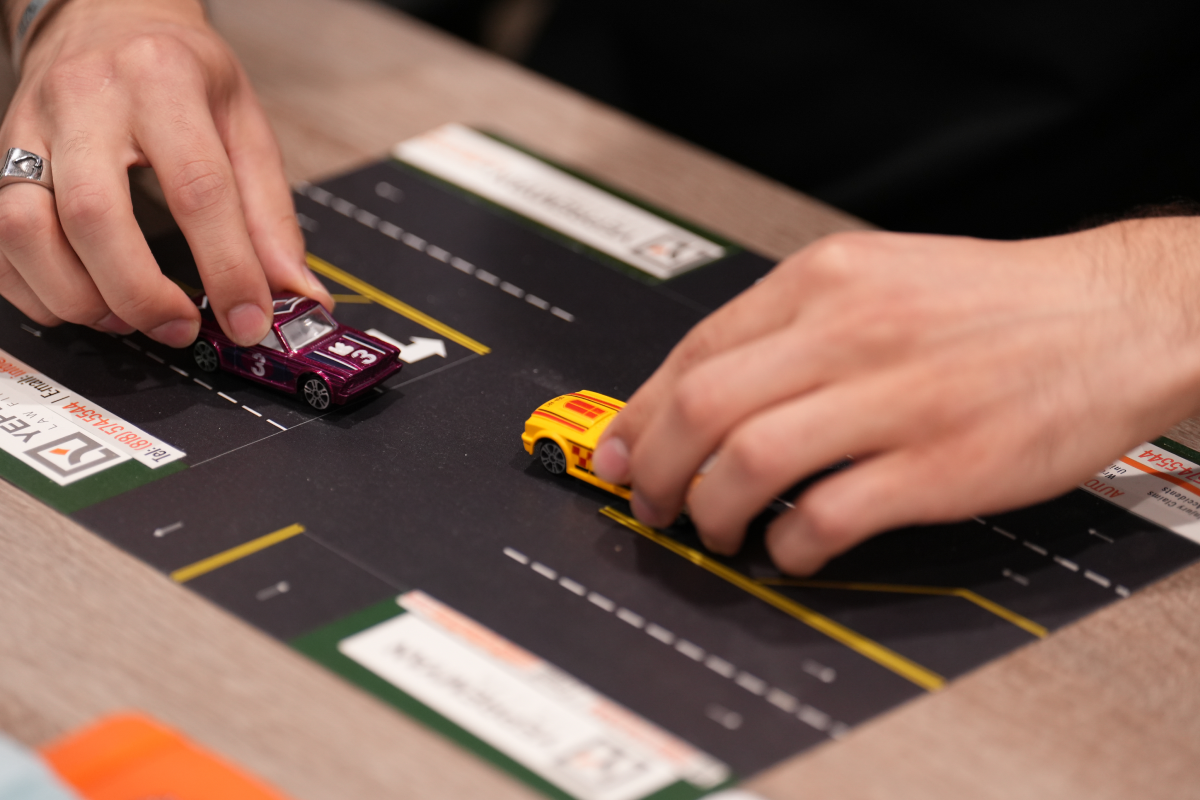
Left-Turn Accident Liability: Who’s at Fault in California?
TL;DR: Left-turn accidents may seem straightforward: one driver is turning, another is going straight, and the two collide. But figuring out who is at fault in a left-turn accident isn't always that simple. The turning driver's actions, the other driver's speed, traffic signals, visibility, and other circumstances can all matter. California's comparative fault rules also mean more than one driver may share responsibility. Here's what to know after a left-turn collision.
Table of Contents
 Who Is at Fault in a Left-Turn Accident? When the Other Driver May Share Fault How California Determines Liability in a Left-Turn Collision What to Do After a Left-Turn Accident Frequently Asked Questions Who Is at Fault in a Left-Turn Accident? When the Other Driver May Share Fault How California Determines Liability in a Left-Turn Collision What to Do After a Left-Turn Accident Frequently Asked Questions |
Who Is at Fault in a Left-Turn Accident?
California law generally requires a driver making a left turn to yield to vehicles approaching from the opposite direction that are close enough to pose a hazard. In practical terms, if you're turning left across oncoming traffic, make sure you have enough time and space to complete the turn safely.
For example, imagine you're turning left at a green light. You see an approaching vehicle that appears to be several hundred feet away, so you begin your turn. The other vehicle suddenly reaches the intersection at a much higher speed than you expected and crashes into you.
Was the turning driver automatically at fault? Not necessarily. The investigation may need to consider how fast the other vehicle was traveling, how far away it actually was, what the driver could see, and whether either driver had enough time to avoid the crash.
When the Other Driver May Share Fault
A driver making a left turn may have the initial obligation to yield, but the other driver still has a responsibility to operate their vehicle safely. Several situations can complicate California left-turn accident liability, including:
Speeding Running a red light Distracted driving Poor visibility Sudden acceleration
Now, let’s suppose you're making a left turn at an intersection with a green light. An approaching driver is initially far enough away that you reasonably believe you can safely complete the turn. But that driver is traveling 20 mph over the speed limit. By the time you enter the intersection, the other vehicle is suddenly much closer than expected and crashes into your car.
The fact that you were turning doesn't necessarily end the analysis. How speeding affects accident liability could become an important part of determining who was responsible.
What About an Unprotected Left Turn?
An unprotected left-turn accident can create another layer of confusion. An unprotected left turn is generally one where you don't have a dedicated green arrow giving you the right-of-way. If you enter the intersection when an approaching vehicle has the right-of-way, you may be responsible if a collision occurs. But again, circumstances matter.
For example, let’s say you're waiting to turn left and an approaching driver suddenly accelerates well above the speed limit. You begin turning when the vehicle appears far enough away, but the speeding driver reaches you much faster than expected. The other driver's speed may become relevant to determining comparative fault.
This doesn't mean the speeding driver automatically becomes responsible. It means the investigation needs to look at the entire sequence of events.
How California Determines Liability in a Left-Turn Collision
When investigating a left-turn collision, insurance companies and attorneys may review several pieces of evidence to determine what happened. That can include:
Traffic camera or dashcam footage Photos of the intersection and vehicle damage Statements from drivers and witnesses Traffic signals and road signs Police reports Whether either driver was distracted or impaired
What if both drivers were partly at fault? California uses comparative negligence, so fault can be shared. If you were 60% at fault and the other driver was 40% at fault, you may still recover compensation, but your recovery could be reduced by your share of the fault.
What to Do After a Left-Turn Accident
If you've been injured in a left-turn accident, try to avoid making assumptions about who was responsible before the evidence has been reviewed. Instead, here are some steps you can take afterward:
Take photos of the scene Get contact information witnesses Seek medical attention Report the accident Notify your insurance company Contact a local attorney
If you've been involved in a left-turn car accident claim, our injury law firm in North Hollywood can help. At Yepremyan Law Firm, we represent clients throughout Southern California. Call us today to schedule your free consultation with a car accident lawyer in North Hollywood or request to speak with a personal injury attorney in Valley Village.
Our firm works on a contingency basis for all personal injury matters. No recovery, no fee.
Frequently Asked Questions
Can I Recover Compensation if I Was Injured While Making the Left Turn?
Yes, potentially. Making a left turn doesn't automatically prevent you from recovering compensation. If the other driver was speeding, distracted, or otherwise contributed to the crash, you may still have a personal injury claim. California's comparative fault rules allow an injured person to recover compensation even when they share some responsibility.
Can Uninsured Motorist Coverage Apply to a Left-Turn Accident?
It can. If the other driver was uninsured or didn't have enough insurance to cover your injuries, your own uninsured or underinsured motorist coverage may provide compensation, depending on your policy and the circumstances of the accident.
What Compensation Is Available for a Serious Side-Impact Injury?
Depending on the circumstances, compensation may include medical expenses, future medical care, lost wages, reduced earning capacity, pain and suffering, and other accident-related damages.
How Long Do I Have to File a California Injury Lawsuit?
California generally gives injured people two years from the date of the injury to file a personal injury lawsuit. Exceptions and different deadlines can apply depending on who is involved and the circumstances, so it's important not to wait until the deadline is approaching to get legal advice.
*No Legal Advice Intended. This website includes general information about legal issues and developments in the law. These materials have been prepared for general informational purposes only and are not intended to be legal advice. Please consult an attorney for legal advice pertaining to any particular legal matter. Use of and access to this website or any of the links or resources contained within the site do not create an attorney-client relationship between the reader, user, or browser and Yepremyan Law Firm and any of its attorneys, employees, or associates.
