 Call Us



How Much Is a Rear-End Collision Worth in California?
TL;DR: A rear-end collision settlement can range from a few thousand dollars for minor injuries to significantly more for serious or permanent injuries. There's no standard payout because every case is different. Your settlement depends on factors like medical expenses, lost wages, pain and suffering, and available insurance coverage. In California, you may still qualify for compensation after a low-speed crash or if you're partly at fault, as long as the evidence supports your claim.
Table of Contents
 Is There an Average Rear End Collision Settlement in California? What Affects a Read End Car Accident Settlement Amount? How Much Is Low Speed Rear-End Collision Worth? Who Is at Fault in California? When Should You Contact a Lawyer? FAQs Is There an Average Rear End Collision Settlement in California? What Affects a Read End Car Accident Settlement Amount? How Much Is Low Speed Rear-End Collision Worth? Who Is at Fault in California? When Should You Contact a Lawyer? FAQs |
Is There an Average Rear-End Collision Settlement in California?
If you've been rear-ended, you're probably wondering what your claim might be worth. There's no reliable average settlement for rear-end collision claims because every case is different.
Minor injuries that heal quickly may lead to smaller settlements, while more serious injuries can result in much higher payouts. Cases involving permanent injuries may be worth even more, depending on how they affect your daily life. These are general examples, not guaranteed payouts or verified California settlement averages.
To get a better idea of what your rear-end collision settlement in California might be worth, you'll need to consider the extent of your injuries, your financial losses, and the evidence supporting your claim.
What Affects a Rear-End Car Accident Settlement Amount?
Here are the factors that can influence how much compensation you may receive:
Injury severity: Slight soreness or mild whiplash that clears up quickly differs from injuries that cause lasting problems.
Medical expenses: Your claim may include the cost of treatment you've already received, along with expected future expenses.
Lost income: If your injuries keep you out of work, you may be able to recover lost wages. If they affect your ability to earn a living in the future, that may count, too.
Pain and suffering: Compensation isn't just about medical bills. It may also account for physical pain, emotional distress, and how your injuries affect your everyday life.
Evidence and treatment history: Medical records, photos, witness statements, and records of your treatment can help support your claim. Long gaps in medical treatment may raise questions from the insurance company.
Insurance coverage and fault: The amount of insurance available and whether you share any blame for the accident can also affect how much compensation you receive.
How Much Is a Low-Speed Rear-End Collision Worth?
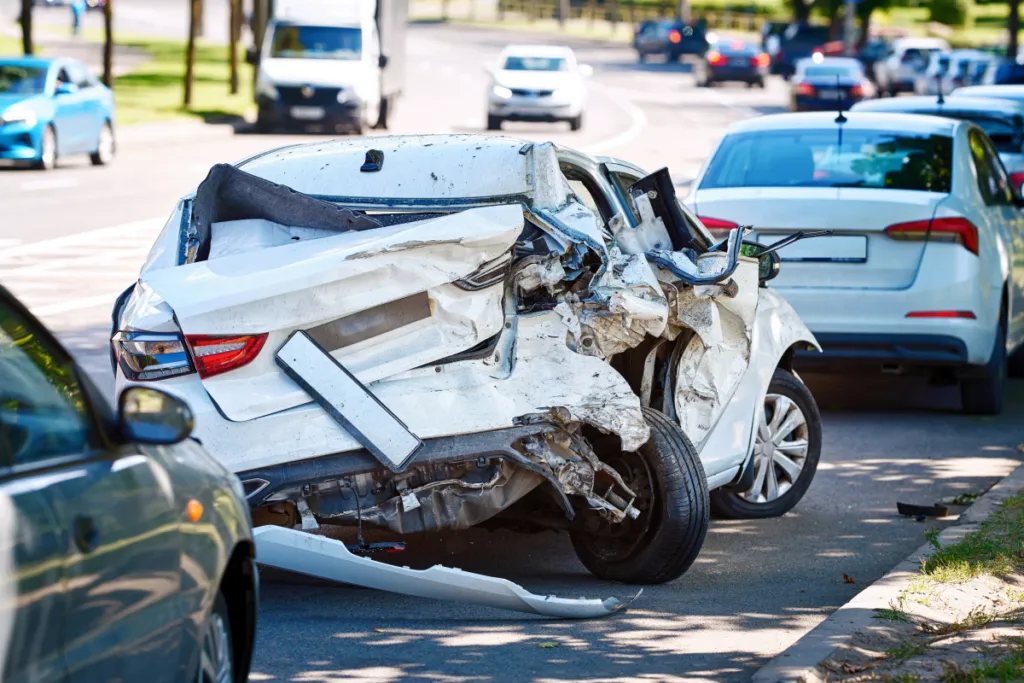
A low-speed rear-end collision settlement may be worth a few thousand dollars if you experience temporary soreness or mild whiplash that resolves after a few medical visits. On the other hand, a rear-end crash that causes a herniated disc, requires surgery, or results in chronic pain and long-term disability could lead to a settlement worth several hundred thousand dollars, depending on the circumstances.
The difference comes down to more than the speed of the collision. Medical expenses, lost wages, future treatment needs, pain and suffering, and available insurance coverage all play a role in determining what a claim may be worth. Vehicle damage alone doesn't determine injury severity. Even if your bumper has little damage, you may still have a valid injury claim if you can show that the collision caused your injuries.
Keep in mind that these dollar amounts are not guaranteed payouts or typical settlement ranges. Every case is different and requires a tailored approach.
Who Is at Fault in a Rear-End Collision in California?
In most rear-end accidents, the driver in the back is usually at fault for following too closely or failing to stop in time. However, if the front driver makes an unsafe move, they may share some of the blame. California Vehicle Code § 21703 addresses this further.
Fortunately, California follows pure comparative negligence. This means you can still recover compensation if you’re partly at fault, but your payout is reduced by your share of responsibility. For instance, if your damages total $100,000 and you’re 20% at fault, you could recover $80,000.
California requires most drivers to carry at least $30,000 in bodily injury coverage per person and $60,000 per accident. If the at-fault driver doesn’t have enough coverage, your own insurance may help, depending on your policy. A personal injury lawyer can help you understand your options.
When Should You Contact a Lawyer?
Ultimately, a rear-end car accident settlement depends on your injuries, financial losses, evidence, and insurance coverage—not just the severity of the vehicle damage. Remember, in California, you generally have two years to file a personal injury lawsuit, although exceptions apply. Claims involving government entities may have much shorter deadlines.
If you have questions or need legal advice about your car accident settlement, contact Yepremyan Law for a free consultation. Since 1998, our injury law firm in North Hollywood has helped thousands of clients recover millions of dollars. With 24/7 support, our personal injury lawyer in North Hollywood is here to help you get the guidance you need, whenever you need it.
Frequently Asked Questions
Can a Minor Rear-End Accident Result in Compensation?
Yes. If the collision caused your injuries, you may be able to recover medical expenses, lost wages, and pain and suffering, depending on the evidence and circumstances.
Does Vehicle Damage Affect the Value of an Injury Claim?
It can be considered, but minimal vehicle damage doesn't automatically rule out an injury. Medical records and other evidence help establish the nature and cause of your injuries.
Is the Rear Driver Always at Fault in California?
Not necessarily. The rear driver is often responsible, but liability depends on the circumstances.
What Happens If the At-Fault Driver Does Not Have Enough Insurance?
Your own uninsured or underinsured motorist coverage may help, depending on your policy. Other applicable insurance may also be available.
*No Legal Advice Intended. This website includes general information about legal issues and developments in the law. These materials have been prepared for general informational purposes only and are not intended to be legal advice. Please consult an attorney for legal advice pertaining to any particular legal matter. Use of and access to this website or any of the links or resources contained within the site do not create an attorney-client relationship between the reader, user, or browser and Yepremyan Law Firm and any of its attorneys, employees, or associates.
